Summary:
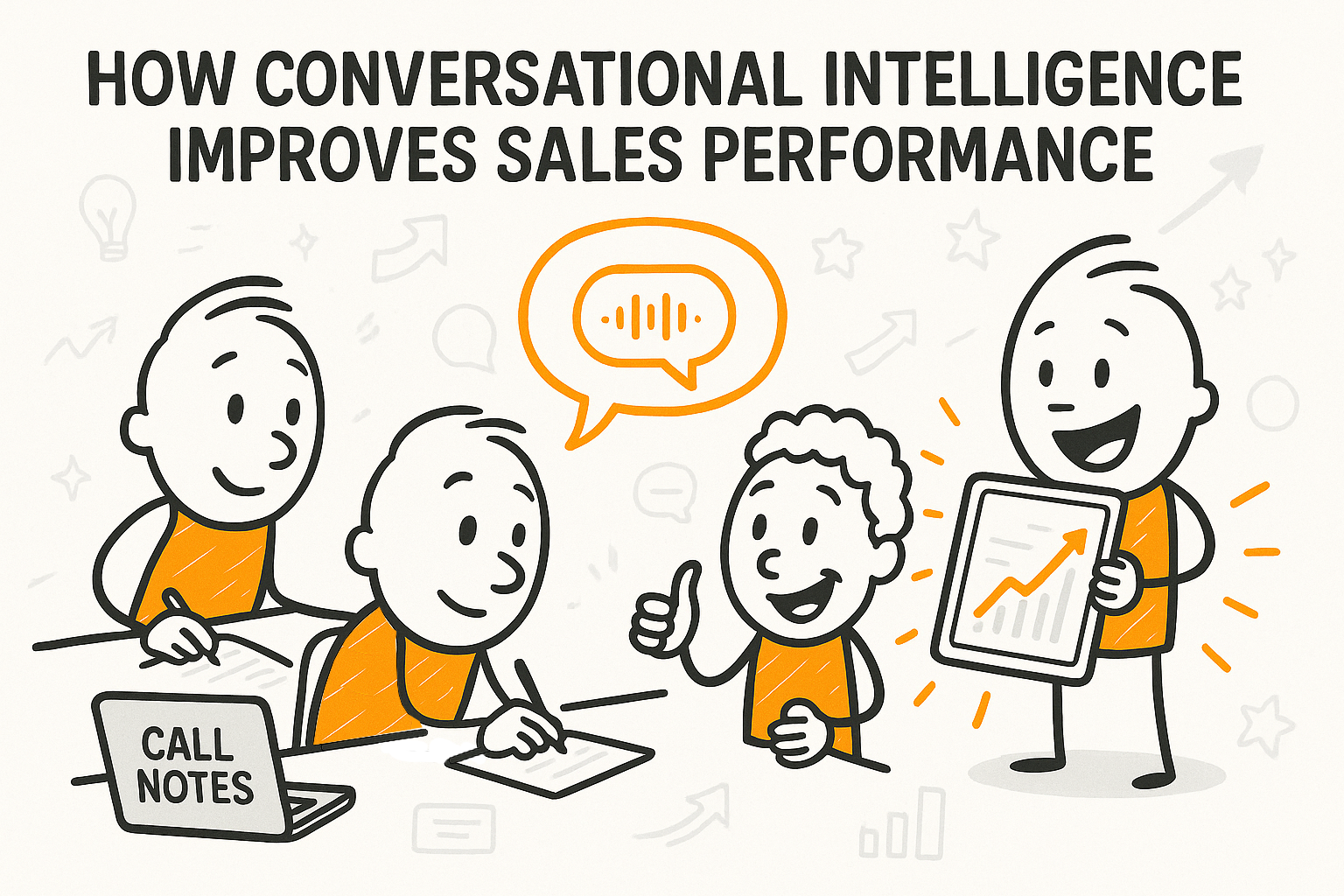
Conversational intelligence (CI) uses AI to analyze sales conversations deeply, revealing buyer emotions, objections, and decision-making patterns in real-time. This technology moves beyond traditional call recordings by integrating speech-to-text, sentiment analysis, and natural language processing to offer actionable insights that boost sales effectiveness. Companies adopting CI see significant improvements in close rates, objection handling, and sales cycle times.
Key Points:
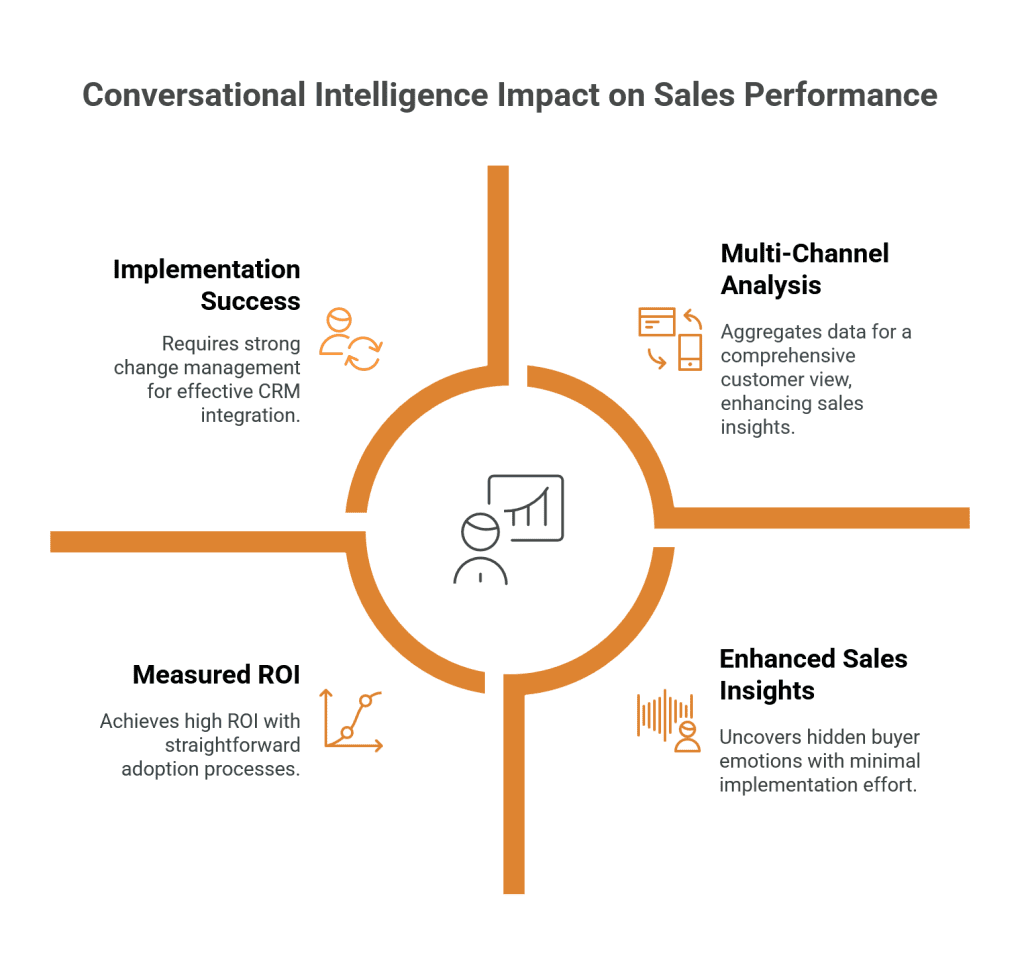
- Enhanced Sales Insights: CI uncovers hidden buyer emotions and objections by analyzing tone, hesitation, and keywords during calls and other communication channels.
- Data-Driven Coaching: Real-time AI feedback helps sales reps handle objections effectively and spot deal-breakers early, improving close rates by up to 30%.
- Multi-Channel Analysis: CI aggregates data from calls, emails, chats, and social media for a 360-degree customer view.
- Sentiment Analysis: Detects subtle emotional shifts in prospects, allowing reps to tailor conversations dynamically and identify optimal closing moments.
- Implementation Success: Best results come from pilot testing, strong change management, hands-on training, and platform integration with existing CRM systems.
- Measured ROI: Companies typically experience 25% higher close rates and shorter sales cycles within three months of CI adoption.
- Competitive Advantage: Organizations leveraging CI gain superior objection handling, better customer understanding, and continuous performance improvements.
Conversational intelligence transforms sales teams into data-driven performers by turning every interaction into actionable insights that drive revenue growth.
Picture this: Your sales rep just finished what seemed like a promising call, but the deal went cold. Sound familiar? Here’s the thing, most sales teams are flying blind, missing crucial signals that could make or break their deals.
Conversational intelligence changes everything. This AI-powered technology digs deep into your sales conversations, uncovering hidden patterns in how buyers actually think and respond. Instead of guessing what went wrong, you get real data about buyer behavior, emotional triggers, and the exact moments when prospects lose interest.
The results speak for themselves. Companies using conversation analysis see their close rates jump by 20% within just three months. Why? Because they’re no longer relying on gut feelings or post-call summaries that miss half the story.
Smart sales organizations are already using these AI sales tools to coach their reps more effectively and spot objections before they kill deals. The question isn’t whether you need conversational intelligence, it’s whether you can afford to keep selling without it.
Understanding Conversational Intelligence in Sales
Think of conversational intelligence as your sales team’s secret weapon, one that listens to every word, catches every emotion, and spots patterns you’d never notice on your own. This isn’t just fancy call recording. It’s AI-powered technology that digs deep into what your prospects are really thinking during sales conversations.
Here’s what makes it special: while you’re focused on delivering your pitch, conversational intelligence is analyzing tone shifts, detecting hesitation, and identifying buying signals in real-time. The technology uses natural language processing to decode not just what customers say, but how they say it.
Sales teams using this technology gain something invaluable, the ability to see inside their customers’ minds. Instead of guessing why deals fall through, you get concrete data about buyer motivations and decision-making patterns. It’s like having a mind reader on your team who never misses a detail.
Core Components of Conversation Intelligence Technology
Modern conversation intelligence platforms work like a sophisticated detective, combining multiple AI technologies to crack the code of successful sales conversations. At its heart, machine learning algorithms churn through thousands of conversations, learning what separates winning calls from losing ones.
The magic happens through speech-to-text conversion that captures every word with remarkable accuracy, even in noisy environments. Then sentiment analysis kicks in, reading emotional cues that reveal whether your prospect is excited, skeptical, or ready to buy. Natural language processing breaks down complex human speech into structured data that actually makes sense.
These systems don’t just transcribe, they score your performance across multiple dimensions, automatically updating your CRM and suggesting real-time improvements. It’s like having a sales coach whispering in your ear during every call.
Key Data Sources and Analysis Methods
Here’s where conversational intelligence gets really powerful, it doesn’t just analyze phone calls. The platform pulls data from video meetings, chat transcripts, email exchanges, and social media interactions to build complete customer profiles.
The system tracks emotional changes throughout conversations, measuring engagement levels across different touchpoints. Advanced platforms even analyze non-verbal cues like speaking pace, tone variations, and pause patterns to reveal deeper behavioral insights.
What’s fascinating is how it identifies recurring themes across all your customer interactions. If prospects keep asking about the same feature, the system flags this pattern so you can adjust your approach. It’s multi-channel analysis that gives you a 360-degree view of every customer relationship.
“Conversational intelligence turns every sales call into a learning
opportunity that drives better results.”
Uncovering Buyer Objections Through Advanced Analytics
Here’s something that might surprise you: most sales deals don’t fail because of price or product fit. They fail because sales reps miss the subtle warning signs that prospects drop throughout conversations. Traditional sales approaches rely on gut feelings and post-call notes that capture maybe half the story. But what if you could catch every hesitation, every concern, and every emotional shift before they torpedo your deal?
Conversational intelligence changes the game completely. This technology analyzes speech patterns, tracks keyword usage, and monitors emotional shifts during conversations to reveal hidden buyer objections. Instead of playing detective after a deal goes cold, you get real-time insights into what’s actually holding prospects back.
The magic happens in the data. AI systems identify common objection themes across hundreds of calls, helping sales teams prepare better responses and address concerns before they become deal-breakers. Companies using this approach see win rates increase by almost 30% when prospects raise objections, because they’re ready with the right answers.
This systematic approach to buyer objection analysis transforms reactive selling into strategic, data-driven engagement. You’re no longer scrambling to figure out what went wrong, you’re preventing problems before they start.
Identifying Common Objection Patterns
Want to know a secret? Most buyer objections aren’t unique snowflakes, they fall into predictable patterns that smart sales teams can prepare for. Conversation intelligence reveals the big four: price concerns, feature limitations, implementation challenges, and competitive comparisons. These represent about 80% of all objections across industries.
Here’s where it gets interesting. The technology doesn’t just count objections, it tracks how often each type appears and correlates them with deal outcomes. Price objections might seem scary, but they’re actually voiced by prospects who have every intention of buying. Trust-based objections, on the other hand, are often deal-killers that need immediate attention.
Sales managers use this objection frequency analysis to develop targeted training programs. If your team keeps losing deals to “we’re happy with our current solution,” you know exactly where to focus your coaching efforts. The data shows you which objection patterns are most damaging to your close rates, so you can prioritize your response strategies accordingly.
Developing Targeted Response Strategies
Once you know the patterns, you can build your playbook. Conversation intelligence identifies which response approaches work best for different objection categories by analyzing successful call outcomes. The system becomes your personal sales coach, helping reps practice proven objection-handling techniques.
The real power comes during live calls. AI-powered sales coaching provides real-time guidance when objections surface. Imagine having instant access to the exact response that worked for similar objections in the past, complete with supporting data and case studies. That’s what conversation intelligence delivers.
This data-driven approach to objection response strategies significantly improves close rates and shortens sales cycles. Instead of generic rebuttals, you get customized responses based on what actually works. The system learns from every successful interaction, continuously refining your objection-handling techniques to maximize effectiveness.
“Smart sales teams use AI to spot objections before they become
deal-breakers.”
SEO Alt Tag: Sales analytics dashboard showing buyer objection patterns and trends from conversation intelligence analysis
Sentiment Analysis for Enhanced Customer Understanding
Ever wonder why some sales reps seem to have a sixth sense about when to push forward or pull back during conversations? The secret isn’t intuition, it’s sentiment analysis for sales improvement that reads customer emotions like an open book.
Traditional sales metrics tell you what happened, but sentiment analysis reveals why it happened. This technology analyzes vocal tone, word choice, and speech patterns to gauge buyer sentiment throughout each interaction. When a prospect says “That sounds interesting” with a flat tone, the AI catches what human ears might miss, lukewarm interest that needs nurturing.
Sales teams using customer emotion detection see remarkable results. Companies report up to 30% higher conversion rates when reps can read emotional cues accurately. The technology helps identify the best moments to advance the sale by tracking engagement levels and emotional shifts in real-time.
Think of it as emotional intelligence on steroids. Instead of guessing how prospects feel, you get data-driven insights that guide every conversation. Teams that master this approach build stronger customer relationships because they respond to actual emotions, not assumptions.
Real-Time Emotion Detection Capabilities
Here’s where sentiment analysis gets really powerful, it works while you’re talking, not after the call ends. Advanced platforms monitor vocal stress indicators, enthusiasm levels, and engagement patterns to alert sales reps the moment sentiment shifts occur.
Picture this: You’re explaining pricing, and suddenly your prospect’s voice tightens. The system immediately flags this vocal stress analysis, suggesting you slow down and address concerns before they become objections. This real-time sales coaching transforms how reps handle critical moments.
The technology identifies optimal closing opportunities by detecting positive sentiment peaks. When excitement levels spike during product demos, smart reps know it’s time to ask for the next step. Companies using live sentiment analysis report that their teams close deals 25% faster because they strike while emotions are hot.
This isn’t science fiction, it’s happening right now in sales teams worldwide, turning average performers into emotion-reading superstars.
“Reading customer emotions accurately is the secret weapon of
top-performing sales teams.”
Implementing Conversation Intelligence Tools Successfully
Rolling out conversation intelligence implementation isn’t like flipping a switch, it’s more like teaching your team a new language. The companies that nail this process see their sales performance jump by 25% within six months, while those that rush it often struggle with low adoption rates and frustrated reps.
Smart organizations start with pilot programs that prove value before going company-wide. This approach lets you work out the kinks, gather feedback, and build internal champions who can help drive broader adoption. The key is treating this as a change management initiative, not just a technology rollout.
Your sales reps need to understand that conversation intelligence isn’t Big Brother watching their every move, it’s their personal performance coach. When teams see how the technology helps them close more deals and handle objections better, resistance melts away. The most successful implementations focus on quick wins that demonstrate immediate value to individual reps.
Platform Selection and Integration Considerations
Choosing the right conversation intelligence platform feels overwhelming when you’re staring at dozens of options. Start with the basics: transcription accuracy should hit at least 90%, and the platform must integrate seamlessly with your existing CRM system.
Don’t get dazzled by fancy features you’ll never use. Focus on platforms that offer customizable dashboards matching your sales methodology and provide the specific insights your team actually needs. Security features become non-negotiable when you’re handling sensitive customer conversations, look for GDPR compliance and SOC2 certification.
The best platforms grow with your business. What works for a 10-person sales team might crash and burn when you hit 100 reps. Evaluate scalability options and pricing models that won’t break your budget as you expand.
Training and Adoption Best Practices
Here’s where most implementations fail: inadequate training. Your sales reps don’t need a PhD in AI, they need practical, hands-on workshops that show them exactly how conversation intelligence makes their jobs easier.
Start with your top performers as early adopters. When your best reps become conversation intelligence champions, the rest of the team follows naturally. These internal advocates can share real success stories that resonate more than any vendor presentation.
Regular coaching sessions help teams interpret insights and apply them effectively. Don’t just dump data on your reps, show them how to use sentiment analysis to time their closing attempts or how objection patterns can guide their preparation for similar prospects.
Success metrics and recognition programs keep momentum going. Celebrate reps who improve their talk-to-listen ratios or successfully apply conversation insights to close deals. Make the technology part of your sales culture, not just another tool gathering digital dust.
“Successful conversation intelligence adoption transforms good sales
teams into revenue-generating machines.”
Measuring ROI and Performance Improvements
Here’s the truth about conversation intelligence ROI: companies that track the right metrics see results fast, while those that don’t often wonder why they invested in the first place. The good news? Measuring success isn’t rocket science when you know what to look for.
Organizations typically see conversation intelligence performance improvements within 90 days of implementation. We’re talking about 25% increases in close rates, 15% shorter sales cycles, and dramatic improvements in rep confidence. But here’s what separates winners from wishful thinkers. They measure everything.
Smart sales leaders track key performance indicators like first-call resolution rates, objection-handling success, and sentiment analysis accuracy. These AI sales results provide concrete proof that the technology delivers value. When you can show executives that conversation intelligence directly contributed to a 30% cost reduction in sales operations, budget conversations become much easier.
The technology provides detailed analytics that track progress against specific goals and identify optimization opportunities. Companies using conversation intelligence report 5X more engagement and 7X higher conversion rates compared to traditional approaches. These aren’t vanity metrics, they’re business-changing numbers that justify continued investment.
Wrapping Up
Conversational intelligence represents a fundamental shift in how sales teams understand and engage with buyers. This technology transforms every customer interaction into valuable data that drives better outcomes and stronger relationships. Organizations that embrace conversation intelligence gain competitive advantages through improved objection handling, enhanced sentiment awareness, and data-driven coaching approaches.
Ready to transform your sales performance with conversation intelligence? Explore Social Genie’s Conversational Intelligence Engine, it doesn’t just summarize, it surfaces what matters most: key takeaways, buyer sentiment, coaching cues, decision bottlenecks, and emerging trends across teams. Turn every conversation into actionable insights that drive real results.
FAQ Section
Q: How accurate is conversation intelligence in detecting buyer sentiment?
A: Modern platforms achieve 85-95% accuracy in sentiment detection using advanced natural language processing and machine learning algorithms.
Q: Can conversation intelligence integrate with existing CRM systems?
A: Yes, most leading platforms offer seamless integration with popular CRM systems like Salesforce, HubSpot, and Microsoft Dynamics.
Q: How long does it take to see results from conversation intelligence implementation?
A: Organizations typically observe measurable improvements in sales performance within 30-90 days of implementation.
Q: Is conversation intelligence suitable for small sales teams?
A: Absolutely, scalable platforms accommodate teams of all sizes with flexible pricing and feature options.
Q: What data privacy considerations apply to conversation intelligence?
A: Platforms must comply with regulations like GDPR and provide secure data handling, encryption, and consent management features.